Mid-year fitness reset: why Pilates is the habit that actually sticks
It’s June, and if you started the year with a fitness goal, a mid-year fitness reset is probably already on your mind. Maybe things have quietly unravelled since January, and you’re wondering whether it’s even worth restarting. If so, you’re in very good company.
Most people don’t abandon their goals because they’re lazy. They abandon them because the method wasn’t built to last. Running hurt their knees. The gym felt aimless. HIIT left them wrecked for two days after. Something had to give — and it did. Sometimes, all you need for progress is a refreshing mid-year focus, and a fitness reset can put you back on track.
If that sounds familiar, here’s something worth considering before you write off the rest of the year: not all movement carries the same odds of sticking around, especially when you’re searching for a true mid-year reset in your fitness routine.
Why most fitness habits fail by March
The research is fairly consistent: habits that rely on high motivation or high pain tolerance rarely survive contact with a busy life. When work picks up, when you’re tired, when something small goes wrong, the thing that was already hard becomes impossible. Psychology Today’s overview of habit formation makes a similar point — habits that depend on willpower alone tend to collapse fastest under stress. This is why a strategic mid-year approach, or fitness reset, can make a difference.
The fitness habits that do stick share a few traits: they feel good to do, not just good to have done; they ask little enough effort that you can show up even on a bad week; and they give you something beyond aesthetics — better sleep, less tension, a body that works more reliably. In fact, layering in a mid-year fitness reset often helps people discover routines that are both enjoyable and lasting.
What makes a Pilates habit that sticks different
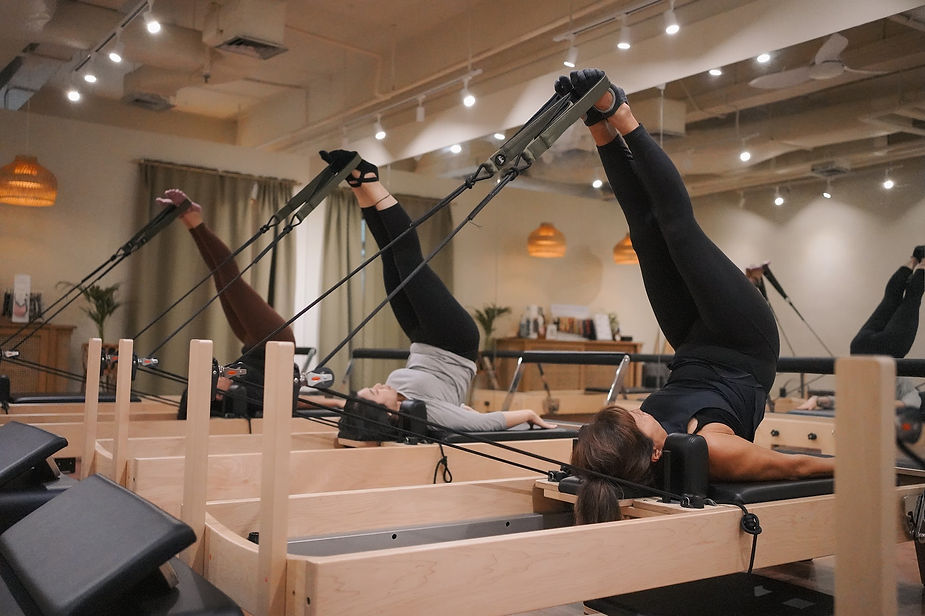
Reformer Pilates isn’t a trend, and it isn’t easy — but it carries a few structural advantages over most other workouts when it comes to habit-forming. If you’re considering a mid-year fitness reset, Pilates’ unique benefits make it a powerful foundation for following through.
It scales to where you are
The reformer relies on resistance, so you and your instructor can adjust the same exercise up or down depending on spring load, range of motion, and tempo. You’re not competing against a class — you’re working with your own body. That means you can come back after a break, after travel, after a rough week, and actually have a good session instead of feeling destroyed. This type of flexibility is what makes a mid-year reset in fitness feel manageable — and personally rewarding.
The classes are small
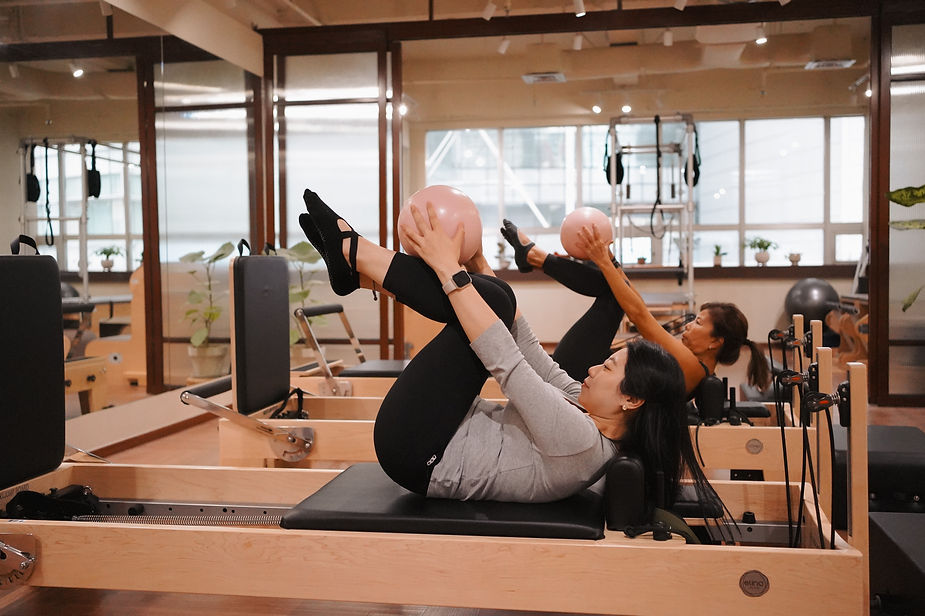
At Purvis Studio, foundation classes run with a maximum of four people. Intermediate and advanced group classes at North Bridge Studio cap at eight. That’s not a marketing point — it genuinely changes the experience. Your instructor sees you and corrects you. You’re not anonymous in a room of thirty people hoping no one notices when you’re doing it wrong. This personal attention can be exactly what a mid-year fitness reset needs to encourage long-term success.
It builds something cumulative
One of the most underrated things about Pilates is that the results compound in a way that’s hard to unsee. Posture improves. Chronic tightness — particularly in the hips, lower back, and neck — eases. You start to notice the difference on days you don’t come. That’s when a habit becomes something you actually want to keep. For those contemplating a fitness reset, a mid-year pivot into Pilates can truly build ongoing gains. Curious how that progression actually works? Our piece on how your Pilates practice grows from Align to Signature to Core breaks it down.
On injuries, postnatal recovery, and not knowing where to start
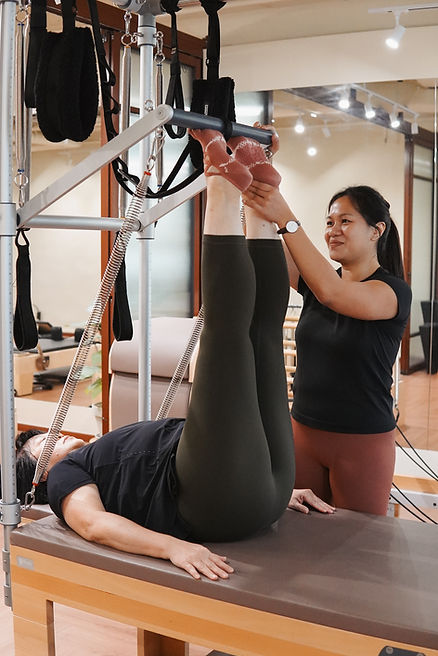
If you’re managing an injury, are postpartum, or have a condition that makes group exercise feel uncertain, a private session is a better first step than a group class. That’s not a downgrade — it’s just the right context. One-on-one, your instructor can assess how you move, adjust the programme accordingly, and build a foundation that makes group classes more useful once you’re ready for them. This way, your mid-year fitness reset can be tailored for exactly what you need.
If you’re new to reformer Pilates and otherwise healthy, a foundation class at Purvis Studio gives you exactly that — no experience required, a small group, and proper instruction from the start. Not sure where you’d land? Our beginner’s guide to reformer Pilates is a good place to start. Let this be your moment for a considered mid-year fitness reset — you’ll thank yourself later.
The second half of the year is long enough
A mid-year fitness reset works because there’s still six months left to run. That’s enough time to build something real — not a crash programme, but a consistent, manageable practice you can point to in December and feel good about. Consider this your opportunity to embrace a mid-year strategy for resetting your fitness plan with intention.
You don’t need to overhaul everything. You just need a starting point that’s set up for you to come back to it. And so, a mid-year reset for your fitness can truly help you foster habits that endure.
If you’d like to try a class at The Core Reformery, you can book here — or send us a message if you’d like to find out which class suits you first. Taking action now can turn your mid-year fitness reset into a new, sustainable habit.
mid-year fitness reset, reformer Pilates Singapore, Pilates fitness habit, Pilates for beginners Singapore, sustainable workout Singapore, restart fitness goals Singapore
-
 The Core Reformery
- 2026-06-19
- 4 min read
Recent Posts