What Is Reformer Pilates? A Beginner's Guide for Women in Singapore
If you’ve been curious about Pilates but aren’t quite sure where to start — you’re not alone. Reformer Pilates has become one of the most talked-about movement practices in Singapore, and for good reason. But between the machines, the terminology, and the sheer number of studios, it can feel overwhelming before you’ve even booked a class.
This guide breaks it down simply, honestly, and without the fitness industry jargon.
What Is Reformer Pilates?
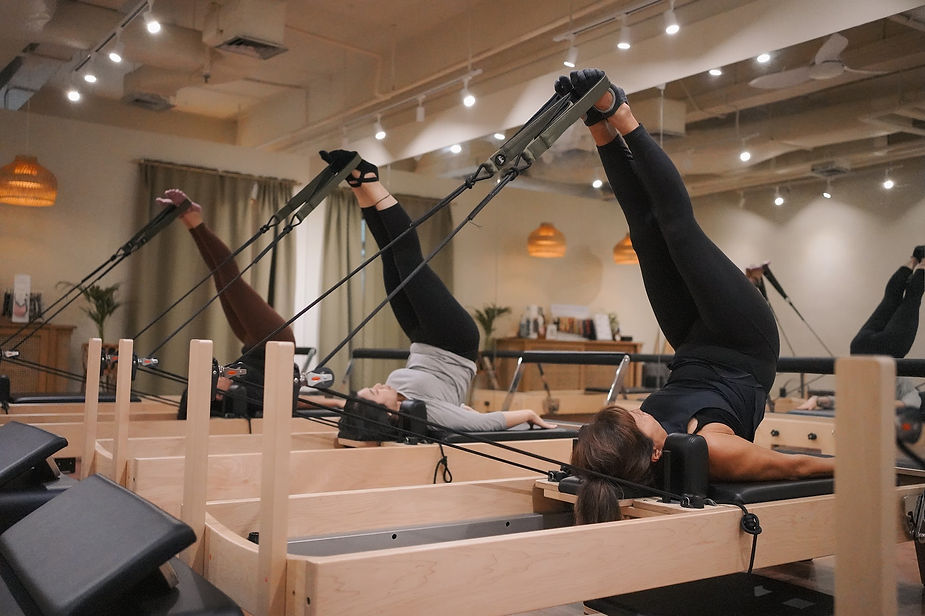
Reformer Pilates is a form of Pilates practised on a specialised piece of apparatus called the reformer — a sliding carriage mounted on a frame, with a system of springs that create adjustable resistance.
Unlike mat Pilates, which uses only your bodyweight, the reformer allows for a far greater range of exercises and levels of challenge. The spring resistance can be increased or decreased to match your strength, mobility, and any physical limitations you may have.
The result is a practice that can be deeply gentle and precisely demanding — often at the same time.
How Is It Different from the Pilates You May Have Tried Before?
Many women have encountered mat Pilates — in a studio, a gym class, or a YouTube video. While mat Pilates has genuine value, the reformer offers something different:
- Greater spinal decompression and joint support through the spring system
- More precise feedback on alignment and movement quality
- A wider exercise vocabulary, especially for rehabilitation and injury prevention
- The ability to work in ways that are difficult or unsafe on a mat alone
For women managing back pain, recovering from injury, navigating postnatal changes, or simply wanting more from their movement practice — the reformer is often the smarter choice.
What Does a Reformer Pilates Class Actually Look Like?
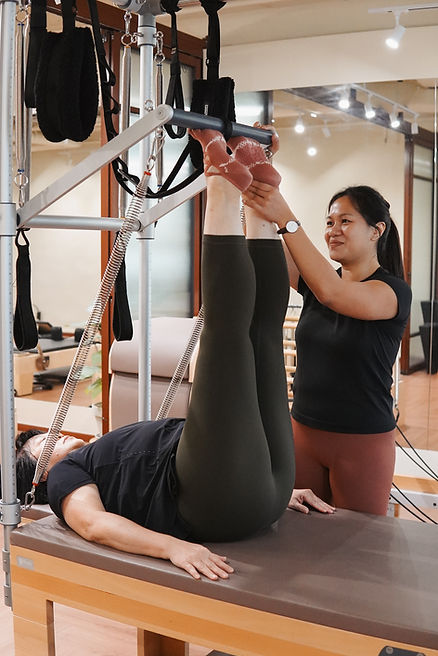
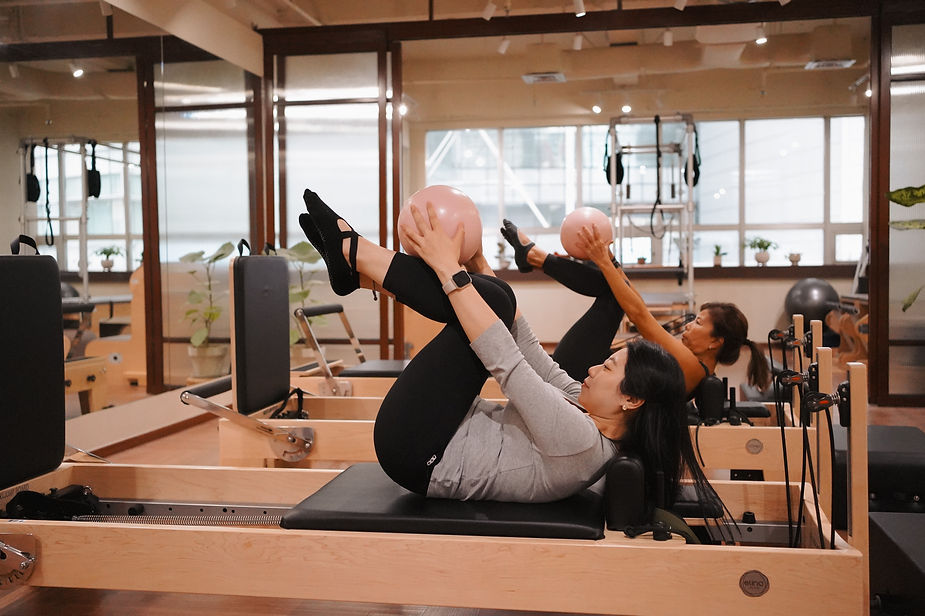
In a well-designed boutique setting, reformer classes are intentionally small. You’ll likely be in a group of four to eight people, with an instructor who can observe and adjust your technique throughout.
A class typically includes:
- A warm-up to prepare the joints and breath
- Targeted exercises for core stability, spinal mobility, and hip and shoulder strength
- Work in different positions — lying, kneeling, sitting, standing — all using the reformer
- A cool-down that focuses on lengthening and integration
No two classes look exactly the same. A good instructor builds sequences with clear intention — not just a collection of challenging movements.
Who Is Reformer Pilates For?
Reformer Pilates is genuinely suitable for a wide range of people — but it particularly suits women who:
- Are managing chronic pain, injury, or posture issues
- Are pregnant or in the postnatal period (with appropriate modifications)
- Have avoided exercise because it’s always felt too aggressive or impersonal
- Want a practice that works with their body, not against it
- Are looking for intelligent movement — not just sweat
In Singapore, where many women are balancing demanding professional lives with caregiving responsibilities, a practice that offers genuine restoration alongside strength is particularly meaningful.
What Should You Look for in a Reformer Pilates Studio?
Not all studios are the same. When choosing where to practise, consider:
- Class size — smaller classes mean more individual attention. Read all about its benefits here.
- Instructor qualifications — comprehensive Pilates training is different from a short certification
- Approach to injuries and modifications — a good studio asks about your body before you get on the machine
- The environment — does it feel calm, clean, and professional?
At The Core Reformery, every new client begins with a brief assessment so our instructors understand your body before your first class. We believe good teaching starts with listening.
Frequently Asked Questions
Do I need to be fit to start reformer Pilates?
No. Reformer Pilates can be adapted for any fitness level, including those who haven’t exercised in years. The spring resistance on the reformer means exercises can be made gentler or more challenging as needed.
How many sessions before I notice a difference?
Many clients report feeling a difference — particularly in body awareness and how they hold themselves — within three to five sessions. Structural changes take longer, typically six to twelve weeks of consistent practice.
Is reformer Pilates safe if I have back pain?
In most cases, yes — when taught by a qualified instructor who understands your condition. The reformer is actually used widely in physiotherapy and rehabilitation settings. Always inform your instructor before class.
How is it different from going to a gym?
Reformer Pilates emphasises alignment, breath, and movement quality over load and intensity. It’s a practice — not a workout — in the sense that attention and intention matter as much as the physical challenge.
What can I expect from my first class?
Read all about your first class here or visit our guide for first timers or visit the FAQ here.
Ready to Experience It For Yourself?
Curious about reformer Pilates? Your first session with us is an opportunity to experience the difference that thoughtful, personalised instruction makes. Small classes. Expert instructors. A space designed for women who invest in their wellbeing.→ Book Your Trial Class at The Core Reformery
Explore all our class types here in our class guide
-
 The Core Reformery
- 2026-04-10
- 4 min read
Recent Posts