Thinking of Becoming a Pilates Instructor? Read This First
At some point, many regular Pilates clients have the same quiet thought:
What if I did this?
Maybe your back pain improved. Maybe your posture changed.
Maybe for the first time, movement made sense instead of feeling forced.
And slowly, the idea appears —
I want to help other people feel this too.
This is usually where thought in Pilates teacher training begins.
Not with a career plan.
With gratitude.
But before you compare courses, fees, or schedules, there’s a more important question to answer first:
Are you drawn to Pilates — or to teaching?
They are not the same thing.
Why People Consider Becoming a Pilates Instructor
Most future instructors don’t start in fitness. They start as students who experienced change.
You understand your body better. You feel more in control of movement. Your instructor seems calm and purposeful. The studio environment feels meaningful compared to your typical office.
Naturally, the mind connects the dots: Maybe I could do this.
This is normal. When something improves your life, you want to share it.
But sharing an experience and being responsible for someone else’s body are very different roles — and many people only discover this after enrolling in Pilates instructor certification.
The Romantic Idea of Teaching Pilates
Before starting a Pilates instructor course, most people imagine teaching like this:
- guiding exercises
- helping people stretch and strengthen
- peaceful studio environment
- flexible working hours
- meaningful interactions
- a healthier alternative to corporate life
And yes, these things do exists.
But they are not job.
They are the environment around the job.
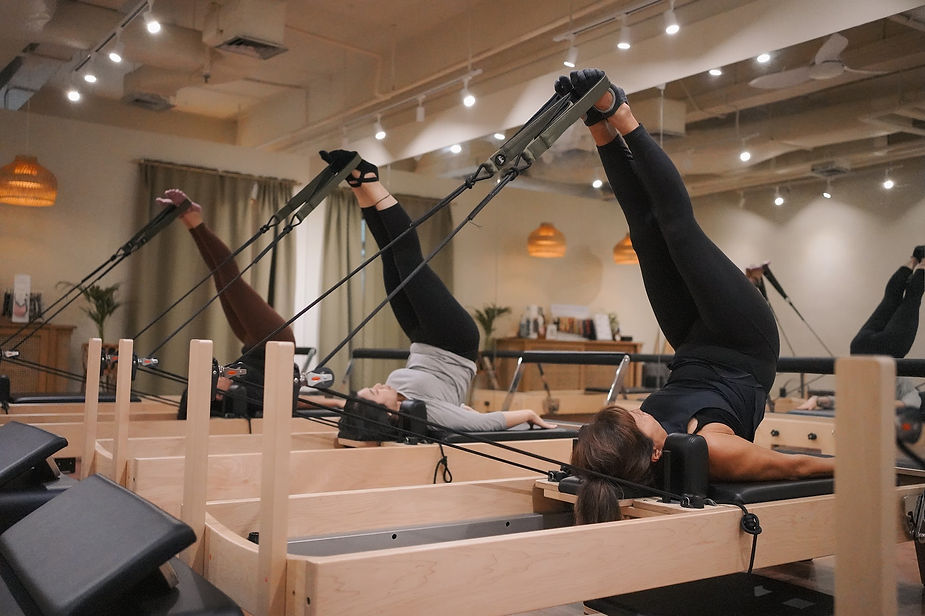
The real job looks very different when you’re not the one lying on the reformer.
What Teaching Pilates Actually Feels Like
As a student, you experience movement.
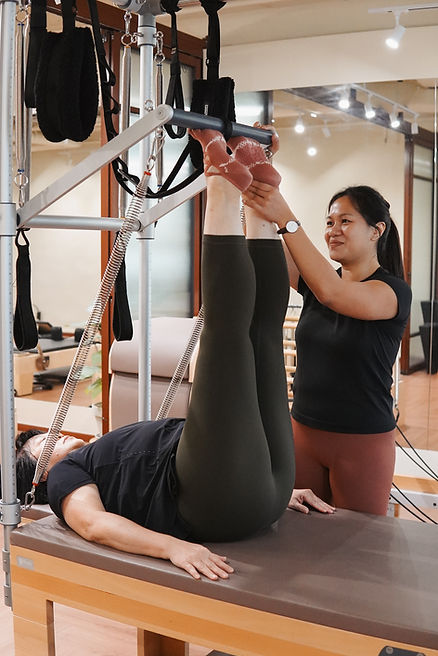
As an instructor, you manage decisions.
In a single class you are:
- observing multiple bodies at once
- remembering injuries and limitations
- adjusting difficulty in real time
- predicting mistakes before they happen
- choosing what to correct
- deciding what to say and what not to say
- monitoring safety constantly
You rarely relax mentally.
You stop doing Pilates and start thinking Pilates.
This is the first shift most new teachers experience.
Teaching is not Performing, It’s Decision-Making
Many people assume instructors demonstrate exercises all day.
In reality, good teaching often looks like standing still.
You are asking:
- Is this safe today?
- Is this appropriate for this person?
- Will this help or aggravate?
- Are they understanding the movement or just copying others?
You are making decisions every minute.
Pilates instruction is closer to problem-solving than performing.
You are not there to show how well you move.
You are there to guide how others move.
This is why loving Pilates does not automatically mean loving teaching Pilates.
The Emotional Side No One Mentions
Before enrolling in Pilates teacher training Singapore programmes, people usually think about hours and cost.
Few think about temperament.
But temperament determines whether someone lasts in this profession.
You will repeat instructions calmly many times.
You will teach when tired.
You will manage personalities, expectations, and fears.
Sometimes you will be blamed for discomfort you didn’t cause.
You cannot control how fast people learn.
You cannot rush awareness into a body.
Progress is often slow and invisible.
Your job is consistency, not excitement.
Patience Becomes the Skill
Most jobs reward efficiency.
Teaching movement rewards patience.
You may explain the same concept for weeks.
You may modify exercises repeatedly for the same person.
You may watch someone struggle with something obvious to you.
And you must remain neutral.
No frustration.
No rushing progress.
Safety depends on emotional steadiness.
This is why teaching Pilates is closer to guiding learning than leading workouts.
Responsibility Feels Different Up Front
As a student, mistakes feel small.
As an instructor, they carry weight.
You are responsible for:
- load
- range
- fatigue
- readiness
Clients trust instructors more than they realise.
They don’t know what they don’t know.
Your judgement matters more than your enthusiasm.
This is where many people realise teaching Pilates is less about loving movement and more about carrying responsibility for it.
If You Still Feel Drawn
After understanding this, some readers feel relief they haven’t signed up yet.
Others feel more interested.
That second reaction matters.
If the idea still appeals to you — not because it looks relaxing, but because guiding learning feels meaningful — then your interest is probably genuine.
Wanting to learn more after seeing the reality is a stronger signal than wanting to teach after enjoying classes.
Before You Compare Courses
You don’t need to decide today.
But pause here before researching certifications:
Are you drawn to performing movement…
or guiding people through uncertainty?
One enjoys Pilates.
The other teaches it.
In the next article, we’ll talk about the difference between loving Pilates and being suited to teaching — and how to tell which one you’re experiencing.
Curious About the Training Path?
If this resonates and you want to understand how structured education actually works, we’ll be hosting a Body Intellect Pilates Teacher Training info session.
Date: Sunday 1 March 2026, 6.00pm
We’ll cover:
- how training is structured
- practice hour expectations
- time commitment
- who the training suits (and who it doesn’t)
This session is to help you decide whether teaching itself fits you — not just whether you like Pilates.
You can register your interest here:
https://calendly.com/theo-bodyintellecthub/body-intellect-singapore-info-session-1-mar-2026
Pilates teacher training
Pilates instructor certification
become a Pilates instructor
Pilates teacher training Singapore
Pilates instructor course
how to become a Pilates instructor
Pilates career change
Body Intellect teacher training
-
 The Core Reformery
- 2026-02-13
- 5 min read
Recent Posts